
July 1, 2026
Beginner Tips for Keeping Isopods as a Cleanup Crew
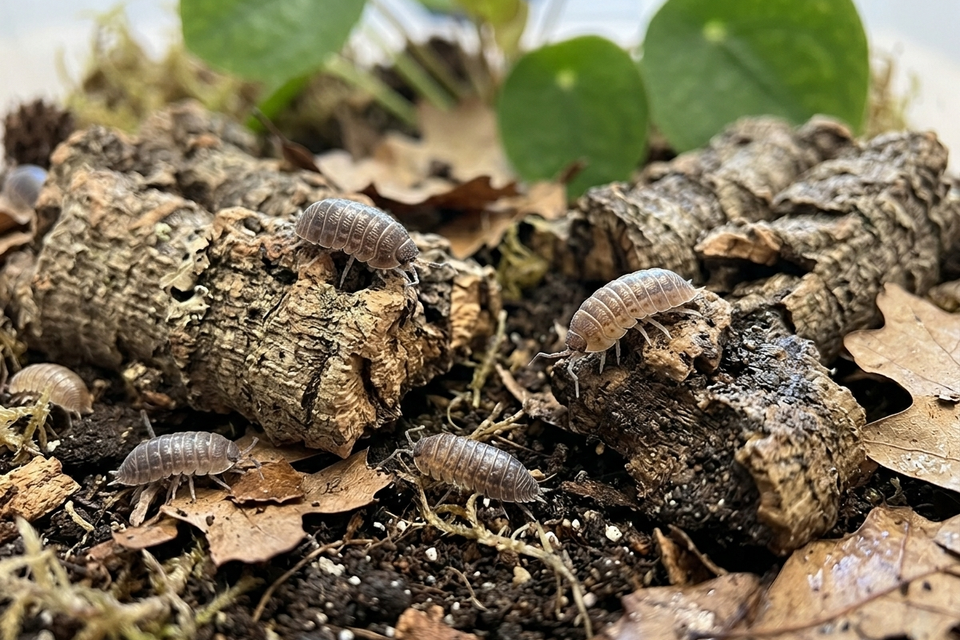
Isopods are one of the most popular cleanup crew choices for bioactive terrariums because they help break down organic material and support a cleaner, more balanced habitat. These small crustaceans feed on leaf litter, decaying plant matter, leftover food, shed skin, and other debris, making them a valuable addition for reptile, amphibian, and invertebrate enclosures.
For beginners, keeping isopods as a cleanup crew is all about creating the right environment before adding them to the habitat. With quality isopod substrate, proper moisture, botanicals, hides, and a steady food source, your cleanup crew can establish itself and help maintain a healthier bioactive setup over time.
Beginner-friendly isopods are usually hardy, active, and able to adapt to common bioactive terrarium conditions. Before adding isopods to an enclosure, think about the temperature, humidity, substrate depth, and the animal already living in the habitat.
Start with a quality substrate that can hold moisture while still allowing airflow. Add leaf litter, cork bark, moss, seed pods, and other botanicals to create hiding places and foraging areas. A well-prepared habitat gives your isopods the best chance to become an active cleanup crew.
Keep one side of the habitat more humid with damp moss or misted substrate, and let the other side remain a little drier. This gives your cleanup crew options and helps prevent problems caused by conditions that are too wet or too dry.
Keep a layer of leaf litter available at all times. If your cleanup crew is active and the leaves start disappearing, add more as needed. Leaf litter is one of the easiest ways to keep isopods fed and comfortable.
A habitat with plenty of natural cover will help isopods feel more secure. When they feel safe, they are more likely to explore, reproduce, and become an active part of the bioactive enclosure.
The key is to feed lightly. Too much food can spoil, attract pests, and lead to mold. Add small portions and remove uneaten food before it causes problems in the enclosure.
This is especially important for breeding colonies and growing juveniles. Keeping calcium available helps support long-term colony health and makes your cleanup crew more stable over time.
Avoid disturbing the habitat too much during this period. Give the colony time to reproduce and build its numbers before expecting it to handle larger amounts of waste or organic material.
Think of isopods as part of the bioactive system, not the entire system. When paired with proper care, good substrate, botanicals, and regular monitoring, they can make a terrarium easier to maintain and more natural.
If the colony seems inactive, the enclosure may be too dry, too wet, too exposed, or lacking enough food and cover. Small adjustments to moisture, leaf litter, hides, and supplemental feeding can often help improve colony activity.
Isopod B&B offers isopod supplies, substrate, botanicals, dry goods, starter packs, and habitat essentials for beginners and experienced keepers. Explore our online shop to find the products you need to build a strong cleanup crew and support a thriving bioactive habitat.
For beginners, keeping isopods as a cleanup crew is all about creating the right environment before adding them to the habitat. With quality isopod substrate, proper moisture, botanicals, hides, and a steady food source, your cleanup crew can establish itself and help maintain a healthier bioactive setup over time.
Choose the Right Isopod Species
Not all isopods have the same care needs, so it is important to choose a species that matches your enclosure. Some species prefer high humidity and damp conditions, while others do better in setups with more ventilation and slightly drier areas.Beginner-friendly isopods are usually hardy, active, and able to adapt to common bioactive terrarium conditions. Before adding isopods to an enclosure, think about the temperature, humidity, substrate depth, and the animal already living in the habitat.
Start With a Healthy Habitat
A successful cleanup crew needs more than just a place to live. Isopods need a habitat with moisture, cover, food, and safe materials so they can settle in and reproduce. If the enclosure is too dry, too wet, or too bare, the colony may struggle to grow.Start with a quality substrate that can hold moisture while still allowing airflow. Add leaf litter, cork bark, moss, seed pods, and other botanicals to create hiding places and foraging areas. A well-prepared habitat gives your isopods the best chance to become an active cleanup crew.
Create a Moisture Gradient
Moisture is one of the most important parts of isopod care. Isopods breathe through gill-like structures and need access to humidity, but they should not be kept in a soggy enclosure. A moisture gradient allows them to move between damp and drier areas as needed.Keep one side of the habitat more humid with damp moss or misted substrate, and let the other side remain a little drier. This gives your cleanup crew options and helps prevent problems caused by conditions that are too wet or too dry.
Add Plenty of Leaf Litter
Leaf litter is a must-have for isopods in a bioactive terrarium. It provides food, shelter, and enrichment while helping recreate the forest-floor environment that many isopods naturally live in. As leaves break down, isopods graze on them and help cycle organic matter through the enclosure.Keep a layer of leaf litter available at all times. If your cleanup crew is active and the leaves start disappearing, add more as needed. Leaf litter is one of the easiest ways to keep isopods fed and comfortable.
Use Botanicals for Shelter and Enrichment
Botanicals such as lotus pods, magnolia pods, sweet gum pods, cork bark, seed pods, and moss create useful hiding areas for isopods. These materials give your cleanup crew places to gather, molt, forage, and avoid open spaces.A habitat with plenty of natural cover will help isopods feel more secure. When they feel safe, they are more likely to explore, reproduce, and become an active part of the bioactive enclosure.
Offer Supplemental Food Carefully
Isopods can eat leaf litter and decaying material, but supplemental feeding can help support a growing colony. Small amounts of vegetables, fish flakes, dried shrimp, or other safe foods can be offered occasionally depending on the species and setup.The key is to feed lightly. Too much food can spoil, attract pests, and lead to mold. Add small portions and remove uneaten food before it causes problems in the enclosure.
Provide a Calcium Source
Calcium helps isopods build strong exoskeletons and supports healthy molting. A simple calcium source, such as cuttlebone, limestone, or another safe calcium option, can be placed inside the habitat for the colony to use as needed.This is especially important for breeding colonies and growing juveniles. Keeping calcium available helps support long-term colony health and makes your cleanup crew more stable over time.
Give the Colony Time to Establish
A new isopod cleanup crew may not seem very active right away. Isopods often hide while they adjust to a new habitat, find moisture zones, and begin settling into the enclosure. This is normal, especially in the first few weeks.Avoid disturbing the habitat too much during this period. Give the colony time to reproduce and build its numbers before expecting it to handle larger amounts of waste or organic material.
Do Not Rely on Isopods Alone
Isopods are helpful, but they are not a replacement for proper habitat maintenance. A cleanup crew can break down organic material, but you should still remove spoiled food, monitor moisture, check for mold, and keep the enclosure healthy for all animals inside.Think of isopods as part of the bioactive system, not the entire system. When paired with proper care, good substrate, botanicals, and regular monitoring, they can make a terrarium easier to maintain and more natural.
Watch for Signs of a Healthy Cleanup Crew
A healthy isopod cleanup crew will gradually become more active, reproduce, and break down leaf litter and organic material. You may notice adults gathering under bark, juveniles appearing in the substrate, and leaves slowly disappearing over time.If the colony seems inactive, the enclosure may be too dry, too wet, too exposed, or lacking enough food and cover. Small adjustments to moisture, leaf litter, hides, and supplemental feeding can often help improve colony activity.
Build Your Cleanup Crew With Isopod B&B
Keeping isopods as a cleanup crew is a great way to support a cleaner, more natural bioactive terrarium. With the right setup, your isopods can help break down waste, enrich the enclosure, and create a healthier habitat for reptiles, amphibians, invertebrates, and plants.Isopod B&B offers isopod supplies, substrate, botanicals, dry goods, starter packs, and habitat essentials for beginners and experienced keepers. Explore our online shop to find the products you need to build a strong cleanup crew and support a thriving bioactive habitat.